Debunking Myths: Common Misconceptions About the Wyandotte Mayor Debate


Understanding the Wyandotte Mayor Debate
The Wyandotte Mayor Debate is an important event in the city's political landscape, yet it is often surrounded by misconceptions. These debates are crucial for voters to hear from candidates and make informed decisions about their future leaders. However, various myths can cloud the public's perception. Let's debunk some common misconceptions about this event.
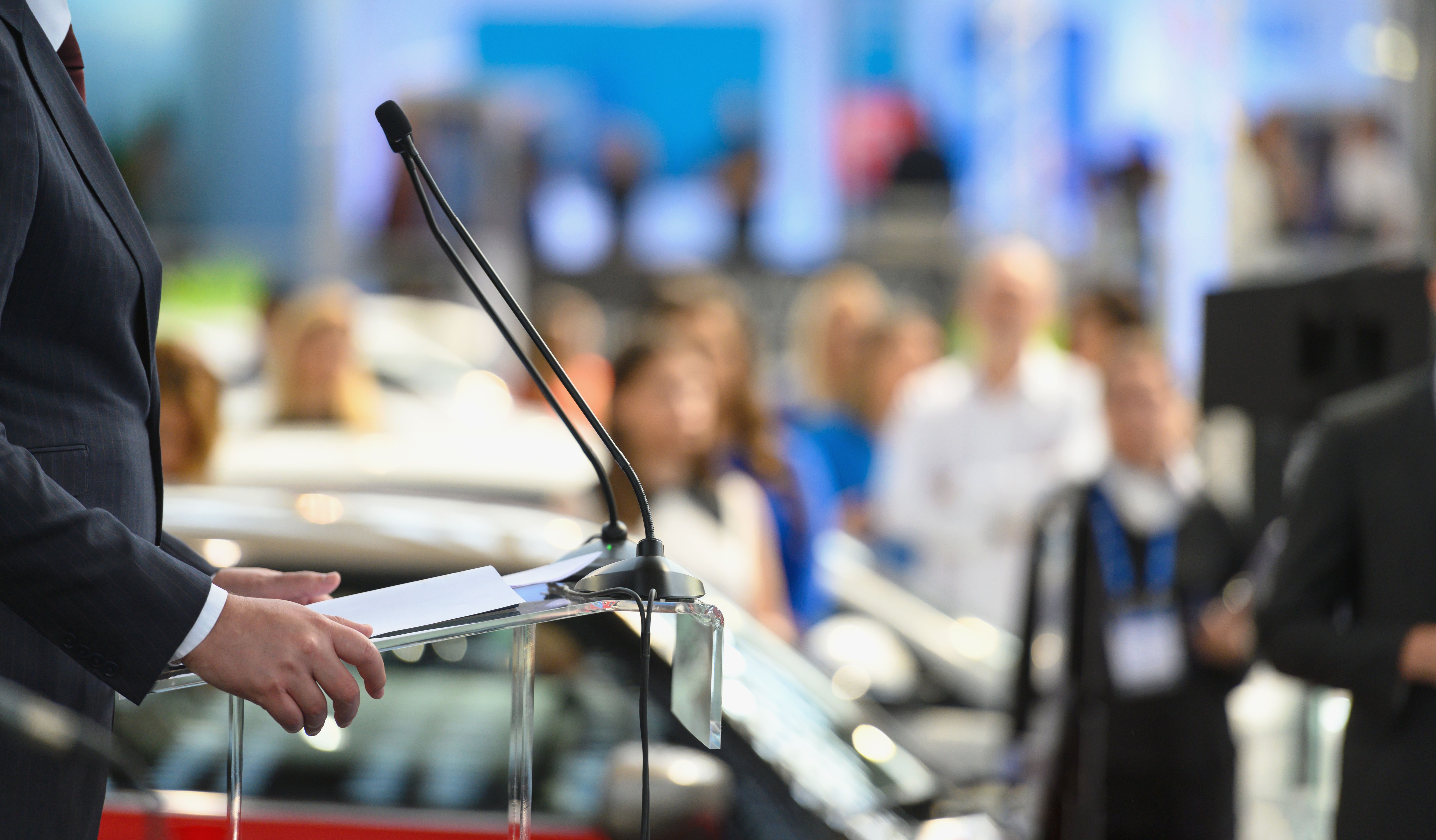
Myth 1: The Debate Is Just a Form of Entertainment
One prevalent myth is that the Wyandotte Mayor Debate is merely a spectacle for entertainment. While debates can be engaging, their primary purpose is to provide a platform for candidates to discuss their policies and viewpoints. It's an opportunity for voters to evaluate how candidates address critical issues and handle pressure.
Debates allow for direct comparison between candidates, showcasing their ability to think on their feet and articulate their visions. This is far from just entertainment; it's a vital part of the democratic process.
Myth 2: Debates Favor Only Charismatic Speakers
Another common misconception is that debates only benefit candidates who are charismatic speakers. While strong communication skills are helpful, substance over style often prevails. Voters are increasingly savvy and look beyond charm to focus on a candidate’s track record, policies, and solutions to local issues.
Effective candidates use debates to clarify their positions and connect with the audience on a deeper level, proving that it’s not just about charisma but about delivering meaningful content.

Myth 3: The Outcome of the Debate Decides the Election
While debates can influence public opinion, they are not the sole deciding factor in an election. Many voters make their decisions based on a range of considerations, including past performance, party affiliation, and campaign promises. Debates are just one aspect of a multifaceted decision-making process.
It’s essential for voters to use debates as a tool for gaining insight rather than the final determinant of their vote.
Myth 4: Only Politically Engaged Citizens Watch Debates
There is a misconception that debates are only for those who are already politically engaged. In reality, debates can attract a broad audience, including undecided voters and even those who typically do not follow politics closely. The debates serve as an accessible way for all citizens to learn about the candidates and issues at stake.

Myth 5: Debate Moderators Show Bias
Some people believe that debate moderators are biased and influence the outcome. In reality, moderators are chosen for their impartiality and ability to guide the discussion fairly. Their role is to ensure that the debate remains balanced and that each candidate has equal opportunity to present their views.
Moderators are trained to maintain neutrality, focusing on keeping the debate informative and respectful.
Conclusion
Debunking these myths is crucial for a healthy democratic process. By understanding the true nature and purpose of the Wyandotte Mayor Debate, voters can better appreciate its value. It's a significant opportunity for citizens to engage with the political process and make informed decisions about their local leadership.