Demystifying the Kansas City Mayoral Election Process


Understanding the Basics of the Kansas City Mayoral Election
The Kansas City mayoral election is a pivotal event that shapes the leadership and future of the city. Understanding how this process works is essential for residents who want to make informed decisions. The election cycle, the roles involved, and the impact of the mayor's office are crucial elements to consider.

Kansas City conducts its mayoral elections every four years, with the next one usually scheduled during the municipal election cycle. The election process is designed to be democratic, giving residents a voice in choosing their city's leader.
Eligibility and Candidacy
To run for mayor in Kansas City, candidates must meet specific criteria. They must be registered voters in the city, at least 25 years old, and have lived in Kansas City for a minimum of five years. These requirements ensure that candidates have a vested interest in the community.
Potential candidates need to file their intentions with the city clerk, providing personal information and paying a filing fee. This step officially places their names on the ballot, allowing them to campaign for the position.

The Election Process
The Kansas City mayoral election involves a primary and a general election. In the primary, voters select among all candidates, narrowing the field down to the top two contenders. This step ensures that the most popular candidates move forward to the general election.
During the general election, residents cast their votes for one of the two remaining candidates. The candidate with the majority of votes becomes the mayor. This two-step process ensures a fair selection by allowing ample opportunity for voter input.
The Role and Responsibilities of the Mayor
The mayor of Kansas City holds significant responsibilities, acting as the city's chief executive officer. The role involves overseeing city operations, working with the city council, and representing Kansas City at various functions.
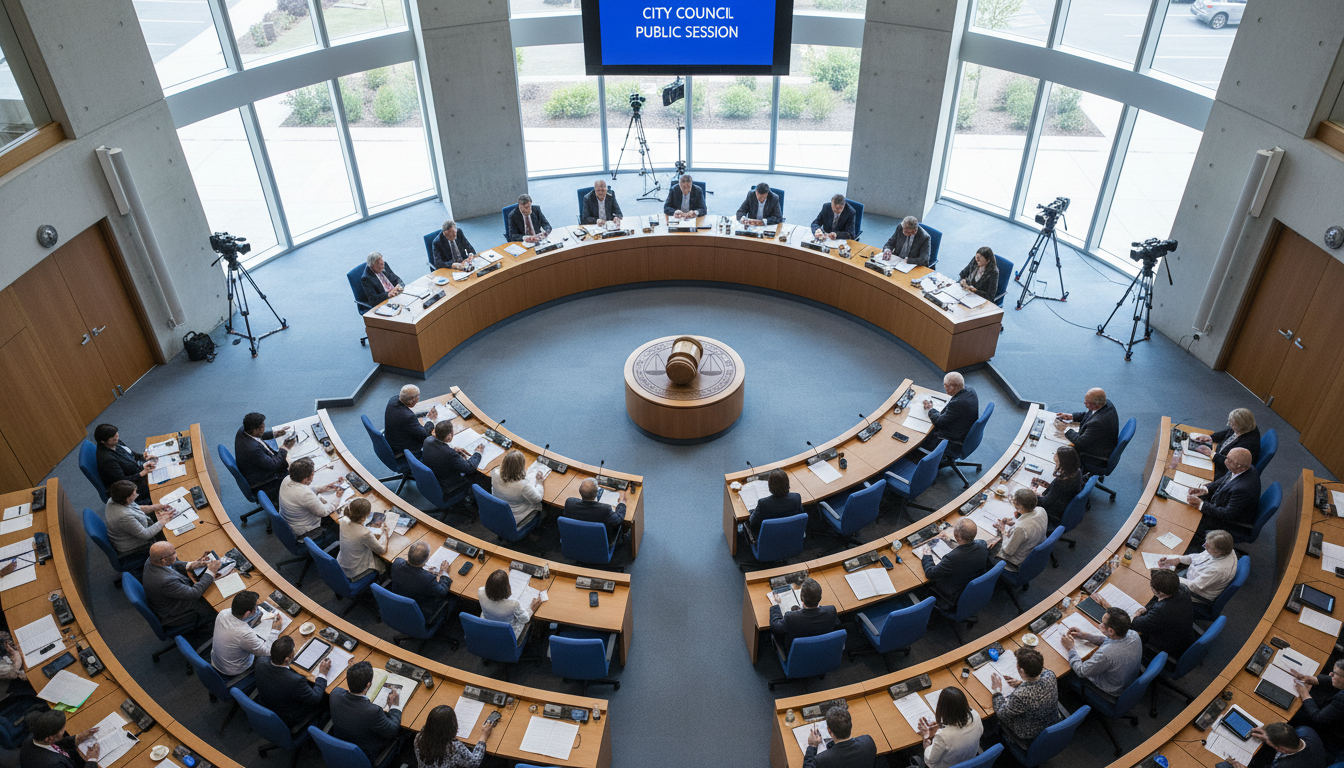
The mayor also plays a crucial role in policy-making and budgeting, influencing decisions that impact public services, infrastructure, and community development. It's a position that requires strong leadership and a clear vision for the city's future.
Engaging in the Election
For residents, participating in the mayoral election is a way to influence the direction of Kansas City. Engaging in the process by staying informed about the candidates, attending debates, and voting is crucial.
Understanding the election process equips residents with the knowledge needed to engage effectively and ensure their voices are heard. By participating, they help shape the leadership that will guide Kansas City towards a prosperous future.