Frequently Asked Questions About Running for Mayor: Insights from Burroughs


Understanding the Basics of Running for Mayor
Running for mayor is a significant decision that involves a lot of preparation and commitment. Before embarking on this journey, it's essential to understand the basic requirements. You need to be aware of the eligibility criteria, which typically include age, residency, and sometimes a minimum number of signatures from local residents supporting your candidacy.

One of the first steps is to file the necessary paperwork with the local election office. This process often includes a declaration of candidacy and financial disclosure forms. Ensuring compliance with these requirements is crucial to avoid disqualification.
Why Choose to Run for Mayor?
Many individuals decide to run for mayor because they are passionate about their community and want to drive change. Serving as mayor allows you to address local issues directly and work towards improving the lives of residents. It’s a role that requires dedication, vision, and the ability to collaborate with various stakeholders.
Beyond personal fulfillment, being a mayor provides an opportunity to influence policy and development at a local level. This position can be both rewarding and challenging, offering a unique platform to make a tangible impact.
Building a Campaign Team
A successful mayoral campaign often hinges on the strength of your team. Recruiting experienced and dedicated individuals to help with strategy, fundraising, and outreach is vital. Your team should include a campaign manager, communications director, and volunteers who believe in your vision.

Effective communication is key. Your team should work on crafting a clear and compelling message that resonates with voters. Utilize various platforms such as social media, community events, and traditional media to reach a broad audience.
Understanding the Financial Aspects
Running for mayor involves significant financial considerations. It is important to develop a budget that covers expenses such as advertising, campaign materials, and event organization. Fundraising will likely be a major component of your campaign, requiring transparency and adherence to local regulations.
Maintaining accurate financial records is not only a legal requirement but also essential for managing resources effectively. Consider hiring a campaign treasurer to oversee these aspects and ensure compliance with all financial reporting obligations.
Connecting with the Community
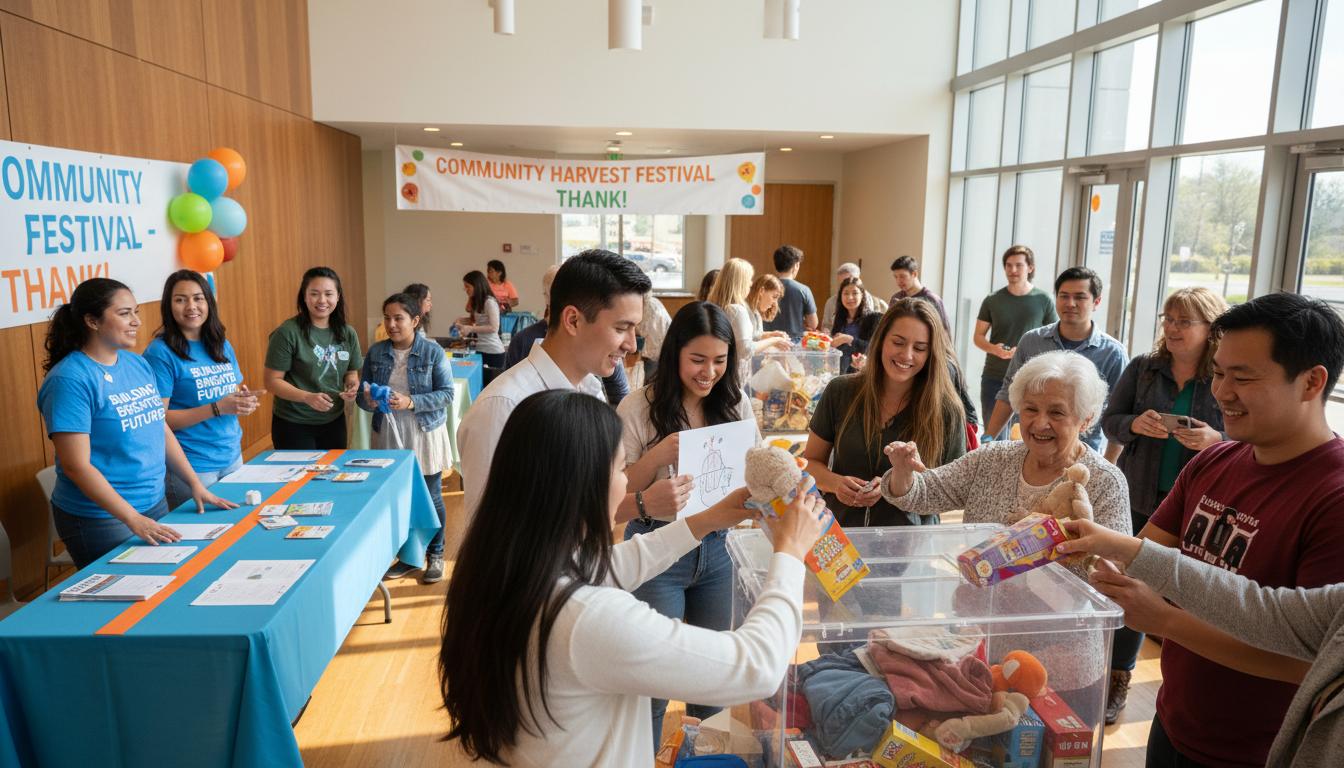
Engaging with the community is a cornerstone of any successful campaign. Hosting town halls, attending local events, and meeting with residents are great ways to understand their concerns and priorities. Building strong relationships with community leaders and organizations can also provide valuable endorsements and support.
Listening to the needs and aspirations of your constituents will help you shape a platform that aligns with their interests. This connection not only aids in gaining voter trust but also ensures that you are well-informed about the issues that matter most to the community.
Preparing for Election Day
As election day approaches, focus on mobilizing your supporters and ensuring a strong voter turnout. Develop a get-out-the-vote strategy that includes reminders, transportation arrangements, and accessible polling information. Every vote counts, and a well-executed plan can make all the difference.
Finally, stay positive and resilient throughout the process. Running for mayor is an intense and demanding endeavor, but with the right preparation and dedication, it can be an immensely rewarding experience.