How Local Elections Impact Your Community: The Role of the Mayor


The Importance of Local Elections
Local elections often receive less attention compared to national ones, yet their impact on our daily lives is substantial. These elections determine the leadership that directly influences our communities, from education and public safety to infrastructure and local economy. Understanding the role of elected officials, such as the mayor, can help us appreciate the significance of participating in local elections.
Mayors play a crucial role in shaping the future of our towns and cities. They are not only responsible for implementing policies but also for representing the community's voice. Their decisions have the potential to affect various aspects of our lives, making it essential for citizens to be informed and engaged in the electoral process.
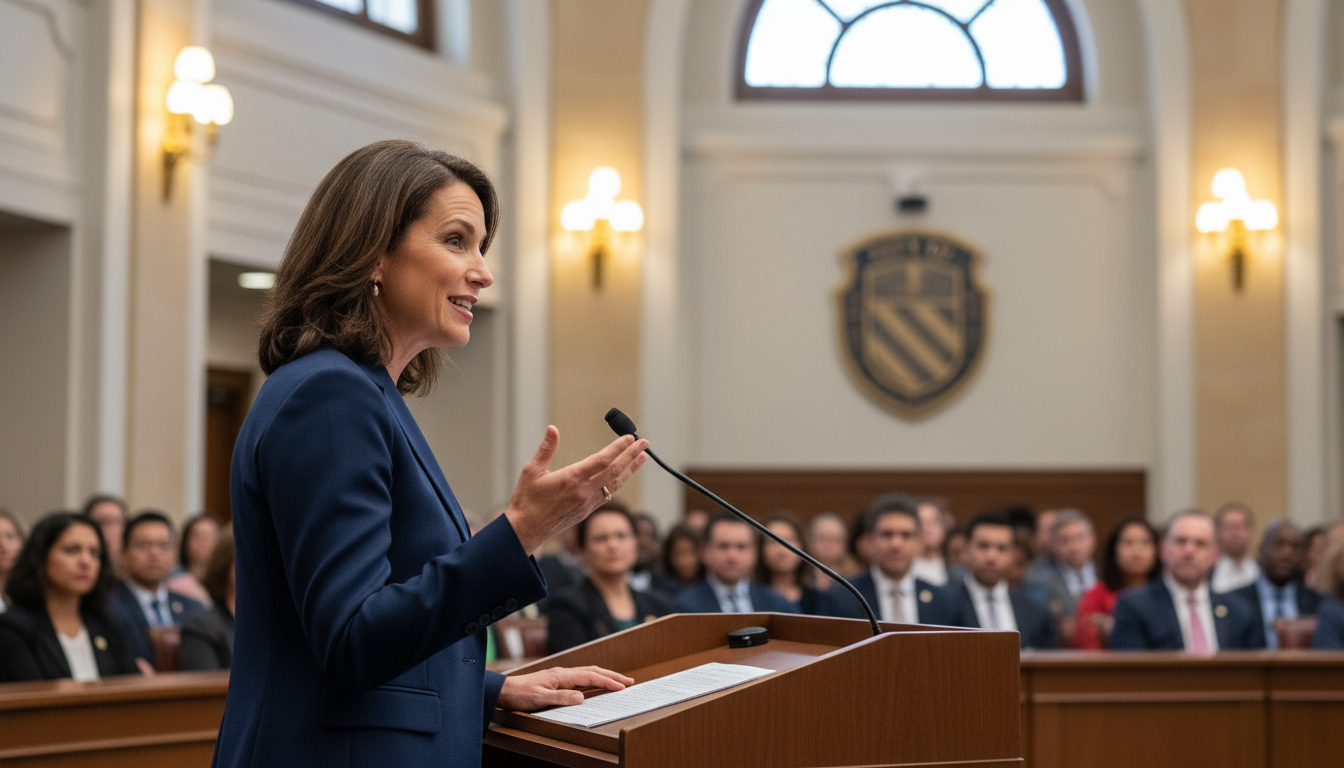
The Role of the Mayor
The mayor acts as the chief executive officer of a city. This position comes with a range of responsibilities, including overseeing city departments, enforcing laws, and setting the agenda for city council meetings. A mayor's leadership style and priorities can significantly influence local governance and community development.
One of the most critical roles of the mayor is to foster economic growth. By collaborating with businesses and stakeholders, the mayor can create opportunities for job creation and attract investments. This can lead to improved living standards and a more vibrant community.
Community Development and Infrastructure
Mayors are often at the forefront of community development initiatives. They work on projects that enhance public spaces, improve transportation systems, and ensure sustainable urban planning. These efforts contribute to making cities more livable and accessible for all residents.

Infrastructure improvements, such as road maintenance and public transit expansion, are also under the mayor's purview. These projects can lead to better connectivity within the city and boost local businesses by increasing foot traffic and reducing transportation costs.
Public Safety and Education
Ensuring public safety is another critical responsibility of the mayor. This involves working with law enforcement agencies to develop strategies that reduce crime and enhance community trust. Initiatives such as neighborhood watch programs and community policing can be instrumental in achieving these goals.

In addition to safety, mayors often have a significant impact on local education systems. They can advocate for funding, support educational reforms, and collaborate with school boards to improve the quality of education. A strong educational system is vital for the community's long-term success and prosperity.
Civic Engagement and Representation
Mayors also play a key role in promoting civic engagement. By encouraging residents to participate in local government, attend town hall meetings, and voice their concerns, mayors can ensure that community members have a say in the decision-making process. This engagement helps build a more inclusive and responsive local government.
Moreover, mayors serve as the face of the city, representing it in regional and national discussions. Their ability to effectively communicate the community's needs and achievements can lead to increased funding and support from higher levels of government.
Conclusion
Local elections, particularly the race for mayor, are vital to the development and well-being of our communities. By understanding the roles and responsibilities of mayors, citizens can make informed decisions at the polls. Participating in these elections not only empowers individuals but also strengthens the democratic process, ensuring that our cities and towns are led by capable and committed leaders.